
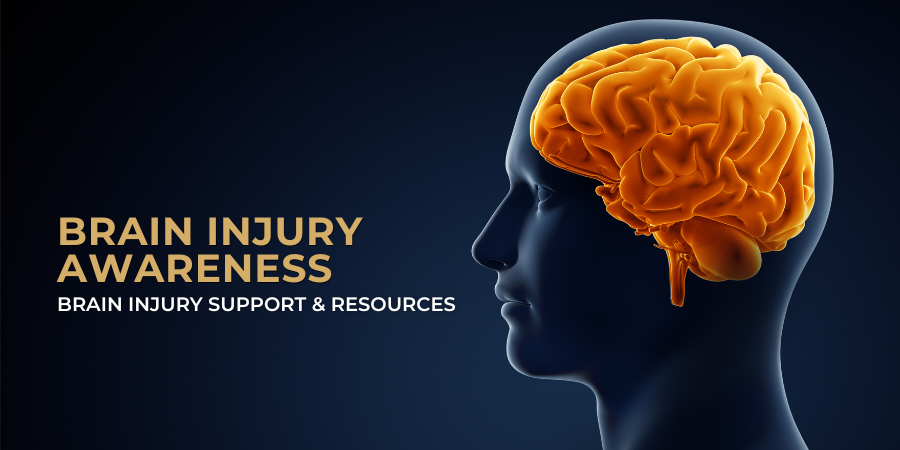
Brain Injury Awareness: Support & Resources
March is Brain Injury Awareness Month, a time dedicated to increasing public understanding of brain injuries, their causes, and the challenges survivors and their families face. This observance serves as a critical reminder of the importance of prevention, early intervention, and comprehensive support for individuals impacted by brain injuries.
What is a Brain Injury?
A brain injury is any disruption to normal brain function caused by an external force or internal condition. Brain injuries are generally classified into two main types:
- Traumatic Brain Injury (TBI): Caused by an external force, such as a blow to the head, fall, car accident, or sports-related injury. TBIs can range from mild (concussions) to severe (resulting in long-term cognitive and physical impairment).
- Acquired Brain Injury (ABI): Results from internal conditions like stroke, tumors, infections, lack of oxygen (anoxic brain injury), or neurodegenerative diseases. These injuries can significantly impact memory, behavior, movement, and speech.
Why Brain Injury Awareness Matters
Brain injuries are a significant public health concern, affecting millions of individuals worldwide. They can occur due to various causes, including accidents, falls, sports-related injuries, and medical conditions such as strokes. The effects of brain injuries can range from mild to severe, impacting cognitive function, emotional well-being, and overall quality of life.
By raising awareness, Brain Injury Awareness Month aims to:
- Educate the public on the different types, causes, and symptoms of brain injuries.
- Promote safety measures to reduce the risk of brain injuries.
- Advocate for research, improved treatment options, and greater support for those affected.
AMHC’s Center for Integrated Neuro Rehab (CINR): Providing Comprehensive Support
For individuals in Aroostook County living with a brain injury, the Center for Integrated Neuro Rehab (CINR), a service of Aroostook Mental Health Services, Inc. (AMHC), offers specialized rehabilitation programs. With locations in Caribou and Houlton, CINR provides a structured day treatment program focused on enhancing intellectual, emotional, and social functioning, helping individuals regain independence and improve their quality of life.
CINR is fully accredited by the Commission on Accreditation of Rehabilitation Facilities (CARF) and offers a comprehensive range of services tailored to each client’s needs. These services include:
- Individualized treatment plans to address cognitive and functional challenges.
- Group problem-solving sessions to improve reasoning and decision-making skills.
- Stress management training to support emotional regulation.
- Social skills retraining to enhance communication and relationships.
- Life management skills retraining to foster independence in daily activities.
- Supervised community outings to promote real-world application of learned skills.
- Transportation services for eligible participants.
- Referrals for additional behavioral health, physical, occupational, and speech therapy as needed.
Eligibility and How to Access Services
CINR accepts clients aged 18 and older who have a documented brain injury due to trauma, stroke, or disease. Additional eligibility requirements include:
- Acceptance of MaineCare clients (other insurance options may be discussed).
- Clients should be independent with transfers.
- Support is available for those experiencing mild to moderate levels of anger, anxiety, or depression associated with brain injury.
For those seeking rehabilitation support or information, self-referrals and referrals from family members, healthcare providers, and workers’ compensation representatives are welcome.
To learn more about CINR services or to make a referral, call 207-498-3820.
Spreading Awareness and Promoting Prevention
Preventing brain injuries starts with awareness and proactive measures. Simple actions such as wearing seat belts, using helmets for sports and recreational activities, implementing fall prevention strategies for older adults, and spreading knowledge about brain injury symptoms can make a significant difference.
During Brain Injury Awareness Month, educate yourself and others about the realities of brain injuries and the available support systems. By working together, we can reduce the incidence of brain injuries and improve the lives of those affected.
Categories
Recent Posts
Archive