
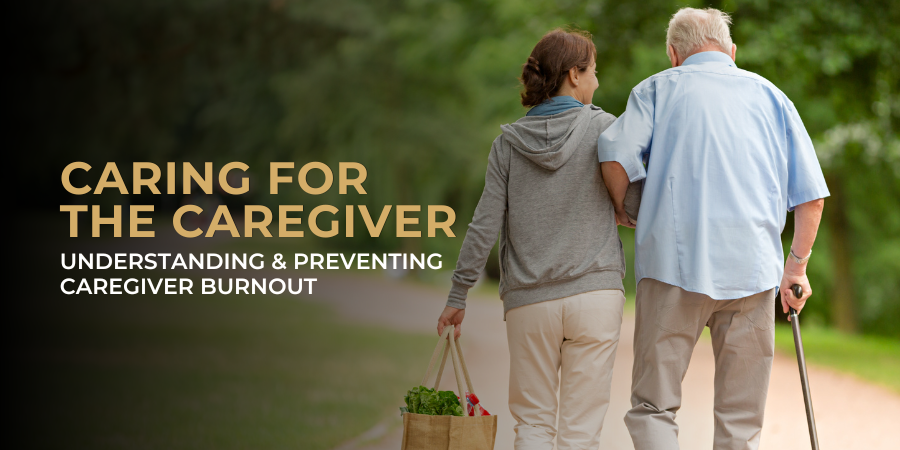
Caring For the Caregiver: Preventing Burnout
November is National Family Caregivers Month, a time to recognize and honor the millions of people who care for aging parents, spouses with chronic illnesses, children with special needs, and loved ones with disabilities. Caregivers provide essential support that allows their loved ones to remain at home and maintain their quality of life. Yet caregiving often comes at a significant cost to the caregiver's own mental health and well-being.
AMHC therapist Norma Watson offers this guidance to caregivers: "State specifically what they can do to help, self-care is not an indulgence, it's a necessity," she says, speaking to the delicate balance caregivers must strike between supporting others and maintaining their own health. This blog explores the toll that caregiving takes and offers resources to support you while you care for others.
The Hidden Mental Health Toll of Caregiving
Caregiving is rewarding, but it's also one of the most demanding roles anyone can take on. The emotional, physical, and financial strain can be overwhelming.
- Compassion fatigue is a state of emotional and physical exhaustion that results from constantly caring for others. You may feel emotionally numb, detached, or unable to feel empathy the way you once did.
- Caregiver burnout occurs when the stress of caregiving becomes too much to handle. You might feel exhausted, hopeless, and unable to cope. Burnout builds gradually as you prioritize your loved one's needs above your own.
- Social isolation is common among caregivers. The demands of caregiving often leave little time for friendships, hobbies, or social activities. You may feel cut off from the life you once had.
- Physical health impacts are real. Chronic stress weakens your immune system, disrupts sleep, and can lead to serious health problems, including high blood pressure, heart disease, and chronic pain.
- Financial strain adds another layer of stress. Many caregivers reduce their work hours or leave their jobs entirely to provide care. Out-of-pocket expenses for medications, medical equipment, and home modifications can be substantial.
Warning Signs You Shouldn't Ignore
As a caregiver, you're likely very attuned to signs that something is wrong with your loved one. But are you paying attention to your own warning signs?
Watch for these indicators that caregiving stress may be affecting your mental health:
- Persistent feelings of sadness, hopelessness, irritability, or anger
- Withdrawal from friends, family, and activities you once enjoyed
- Changes in sleep patterns or appetite
- Difficulty concentrating or making decisions
- Increased use of alcohol, medications, or other substances to cope
- Physical symptoms like headaches, body aches, or digestive issues
- Feeling resentful toward the person you're caring for
- Thoughts of harming yourself or the person in your care
If you're experiencing any of these symptoms, it's important to reach out for help. You deserve support just as much as the person you're caring for.
Self-Care Isn't Selfish
One of the biggest challenges caregivers face is permitting themselves to prioritize their own needs. Let's be clear: self-care isn't selfish. It's essential. You cannot pour from an empty cup.
- Acknowledge your feelings. It's normal and okay to feel frustrated, angry, or resentful sometimes, even toward the person you love. These feelings don't make you a bad person or a bad caregiver.
- Set realistic expectations. You cannot do everything perfectly. Let go of the pressure to be a superhero and accept that "good enough" really is good enough.
- Take breaks. Even 15 minutes of stepping away can help reset your mental state. Take a short walk, sit outside with a cup of coffee, or simply close your eyes and breathe deeply.
- Stay connected. Maintain relationships and social connections even when it feels difficult. Call a friend, join an online community, or attend a support group. Connection combats isolation.
- Accept help. When someone offers to help, say yes. Let others bring meals, run errands, or sit with your loved one while you take a break.
- Keep up with your own health. Don't skip your own medical appointments, medications, or health screenings. Your health matters too.
- Seek therapy or counseling. Talking to a mental health professional is a sign of strength, not weakness. Therapy provides tools, strategies, and a safe space to process the complex emotions that come with caregiving.
Why Respite Care Matters
Respite care provides temporary relief for family caregivers. It's not a luxury; it's a necessity that prevents burnout and allows you to rest, recharge, and attend to your own needs.
Respite care can take many forms, including in-home care, adult day programs, or short-term residential care. Research shows that respite care benefits both caregivers and care recipients. Caregivers return more patient and energized, and care recipients often enjoy the social interaction and change of routine.
AMHC Services for Caregivers
AMHC offers several services specifically designed to support caregivers and their families across Aroostook, Hancock, and Washington counties.
Community Care Team (CCT)
Available in Hancock and Washington counties, the Community Care Team provides comprehensive support for individuals with chronic health conditions and their caregivers. Services include:
- Advocacy for caregiver needs
- Referrals for health, social, mental health, and substance use services
- Support for managing chronic health conditions
- Connection to community resources
- No fees for services
For a referral to the Community Care Team, contact your healthcare provider directly.
CCBHC Care Coordination
AMHC's Certified Community Behavioral Health Clinic Care Coordinators help caregivers and families navigate the behavioral health system. Care Coordinators provide consistent communication with all providers, connection to resources, and personalized support for mental health and substance use challenges.
Mental Health Services
Caregivers can access a full range of mental health services, including:
- Outpatient therapy for caregiver stress, anxiety, depression, and burnout
- Couples and family therapy for communication challenges
- Medication management when appropriate
- Case management for connection to community resources
Services are available at multiple locations, including Fort Kent, Madawaska, Caribou, Presque Isle, Houlton, Calais, Machias, and Ellsworth.
How to Access AMHC Services
Call the AMHC Call Center at 1-800-244-6431 to learn about services and schedule an appointment.
- Most insurances accepted
- Sliding fee schedule based on family size and income
- No one is denied services due to an inability to pay
For crisis support, visit AMHC 24/7 Help Resources or call 988 for the Suicide & Crisis Lifeline.
Additional Maine Resources for Caregivers
Maine Area Agencies on Aging
Call 1-877-353-3771 to connect with your local Aging & Disability Resource Center for caregiver information, support groups, education programs, and respite care options.
National Family Caregiver Program
This federally funded program supports families caring for older individuals and people with dementia. Services may include respite care, counseling, training, and support groups.
Respite for ME Grants
Eligible Maine caregivers may receive up to $5,171 to access respite care and other services. Contact your local Area Agency on Aging at 1-877-353-3771 to learn about eligibility.
Alzheimer's Association Maine Chapter
Call 800-272-3900 for a 24-hour helpline, family education, financial and legal planning information, support groups, and care navigation tools.
MaineCare Programs
Maine's Medicaid program offers several options for caregiver support, including Consumer Directed Attendant Services (CDAS), which allows care recipients to hire family members as caregivers, and the Elderly and Adults with Disabilities Waiver for personal care assistance.
Veteran Programs
If your loved one is a veteran, several VA programs can provide support, including Veteran-Directed Care, Aid and Attendance benefits, and the Program of Comprehensive Assistance for Family Caregivers. Contact the Veterans Affairs Maine Health Care System at Togus for more information.
Conclusion
Caregiving is one of the most challenging and important roles you'll ever undertake. But you cannot care for others if you don't also care for yourself. Taking care of your mental health isn't optional, and it's not selfish. It's essential.
Resources and support are available. Whether through AMHC's mental health services, Maine's caregiver support programs, or community resources, help is there when you need it. You don't have to do this alone. This November, during National Family Caregivers Month, we honor you. Please remember to extend that same compassion to yourself.
For AMHC services, call 1-800-244-6431. For Maine caregiver resources, call 1-877-353-3771. For crisis support, call or text 988.
Categories
Recent Posts

Archive