

Empowering Recovery Through Shared Experience and Support
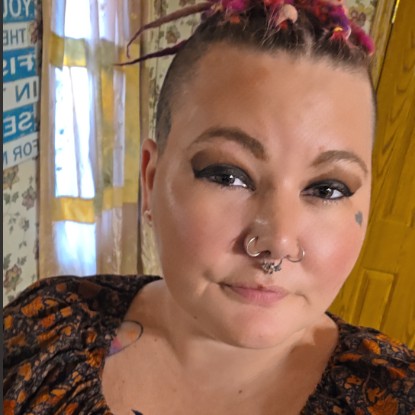
When Sarah Aila needed support the most, she found it through a Peer Recovery Coach, and from that moment forward, she knew she wanted to provide the same gift she’d been given. She was worried that her history with mental illness and alcoholism would prevent her from working in the field, but she learned that it was a qualification for the job. Peer Recovery Coaches use their lived experiences with mental or substance use disorders to provide non-clinical support to others on their recovery journeys. They do not provide diagnoses or treatment. Reflecting on her reasons for pursuing a career as a Peer Recovery Coach, Sarah says, “I want to be there for other people because I know how hard it was for me.”
Sarah’s journey as a Peer Recovery Coach started in Lancaster County, Pennsylvania. When she moved to Maine, she was thrilled to bring her career with her. She began working for AMHC, where she was inspired by the connection she saw and how much collaboration was involved in the recovery process. She says, “It’s nice to see companies putting the peer first.”
When a session with Sarah starts, she wants to learn where the client is and meet them there. There is a direct conversation about where they are on their sobriety journey, where Sarah listens without judgment. The first couple of sessions are all about getting to know each other and figuring out if Sarah and her client are a good match for each other. It is important that the peer feels that they can relate to their coach and wants to form a relationship. She describes her sessions as “hanging out with the healed version of yourself.” When asked what advice the healed version of herself would provide to a Sarah earlier in her recovery journey, she said, “It’s okay to have feelings. It’s okay to have big feelings.”
Peer Recovery Coach sessions are spent creating goals, discussing obstacles in a client’s recovery journey, and demonstrating hope and strength through recovery. Sarah’s own experiences, which she shares candidly and honestly, are what provide impact to her work. Sarah often has discussions about grief with clients and says, “Grief is hard when you’re not sober. It’s extremely hard when you are sober.”
Peer Recovery Coaching is a part of AMHC’s mission to “empower individuals to recover,” and often the most empowering thing is knowing that someone has your back. Recovery is hard, but it doesn’t have to be lonely. Sarah Aila works out of the AMHC Ellsworth Outpatient Office. Her services are available to individuals receiving substance use disorder treatment. Services can be accessed by calling the AMHC Call Center at 1-800-244-6431.
Categories
Recent Posts
Archive