
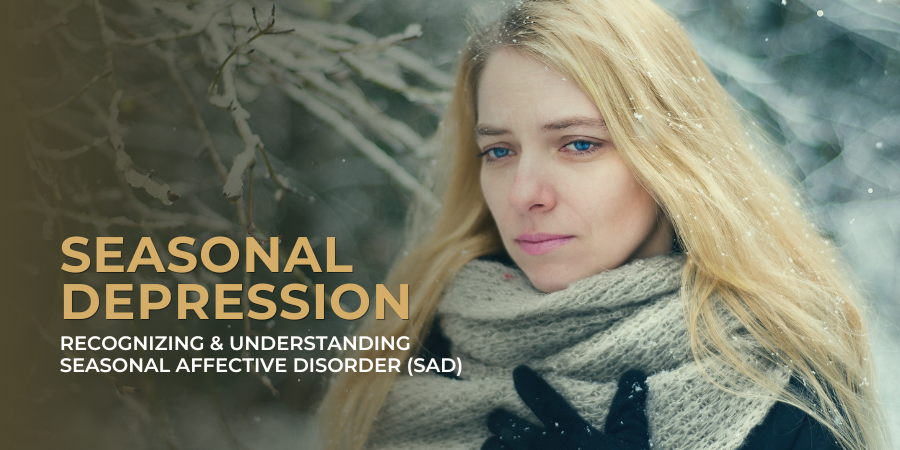
Understanding Seasonal Affective Disorder (SAD)
Seasonal Affective Disorder, commonly known as SAD, is a type of depression that occurs at a specific time of year, usually during the fall and winter months. This condition can profoundly impact an individual's daily life, affecting their mood, energy levels, and overall well-being. Understanding SAD, its symptoms, causes, and treatments can help those affected manage the disorder more effectively.
What is Seasonal Affective Disorder (SAD)?
SAD is a form of depression that follows a seasonal pattern. It is most commonly observed during the shorter, darker days of fall and winter, but can occasionally occur in the spring or summer. Unlike typical depression, SAD symptoms alleviate with the change of seasons, particularly when sunlight exposure increases.
Signs and Symptoms of SAD
The symptoms of SAD are similar to those of major depression but are linked to seasonal changes. Common signs include:
- Persistent low mood
- Loss of interest in activities once enjoyed
- Low energy and fatigue
- Sleep disturbances (oversleeping or insomnia)
- Changes in appetite or weight (usually craving carbohydrates leading to weight gain)
- Difficulty concentrating
- Feelings of hopelessness or worthlessness
- Social withdrawal (a desire to "hibernate")
How is SAD Diagnosed?
Diagnosing SAD involves a comprehensive evaluation by a healthcare professional. This includes:
- Detailed patient history: Understanding the pattern of symptoms and their correlation with seasonal changes.
- Physical examination: To rule out other medical conditions.
- Mental health assessment: A psychological evaluation to assess mood, behavior, and overall mental health.
- Diagnostic criteria: Symptoms must have occurred for at least two consecutive years, specifically during the same season, and must significantly impair daily functioning.
Who Develops SAD?
While anyone can develop SAD, certain factors increase the risk:
- Geographic location: People living far from the equator, where daylight hours are shorter in winter, are more susceptible.
- Family history: Individuals with a family history of SAD or other forms of depression are at higher risk.
- Gender: Women are more likely to be diagnosed with SAD than men.
- Age: Younger adults are at higher risk, though children and older adults can also be affected.
- Pre-existing mental health conditions: Those with depression or bipolar disorder may experience worsening symptoms seasonally.
What Causes SAD?
The exact cause of SAD is not fully understood, but several factors may contribute:
- Reduced sunlight exposure: This can disrupt the body's internal clock (circadian rhythm), leading to feelings of depression.
- Decreased serotonin levels: Reduced sunlight can cause a drop in serotonin, a neurotransmitter that affects mood.
- Melatonin imbalance: The change in season can affect the balance of melatonin, a hormone that regulates sleep and mood.
How is SAD Treated?
Treatment for SAD may include a combination of the following:
- Light therapy: Exposure to a special light box that mimics natural sunlight can improve symptoms.
- Medications: Antidepressants, particularly selective serotonin reuptake inhibitors (SSRIs), may be prescribed.
- Psychotherapy: Cognitive-behavioral therapy (CBT) can help individuals manage negative thoughts and behaviors associated with SAD.
- Lifestyle changes: Regular exercise, a healthy diet, and spending time outdoors during daylight hours can be beneficial.
Can SAD Be Prevented?
While it may not be possible to completely prevent SAD, specific strategies can help reduce its impact:
- Maximize exposure to natural light: Spend time outside during daylight hours and keep indoor spaces well-lit.
- Maintain a regular schedule: Consistent sleep and wake times can help regulate your body's internal clock.
- Exercise regularly: Physical activity can boost mood and energy levels.
- Seek professional help early: If you notice the onset of symptoms, early intervention can prevent them from worsening.
By understanding the nature of Seasonal Affective Disorder and the various ways to manage and treat it, individuals can take proactive steps to improve their quality of life during the challenging winter months.
If you are experiencing mental health challenges, reach out for help by calling AMHC’s Call Center at 1-800-244-6431.
Categories
Recent Posts




Archive